
7 Eye-Opening Safety Concerns Every Family Caregiver Should Watch For
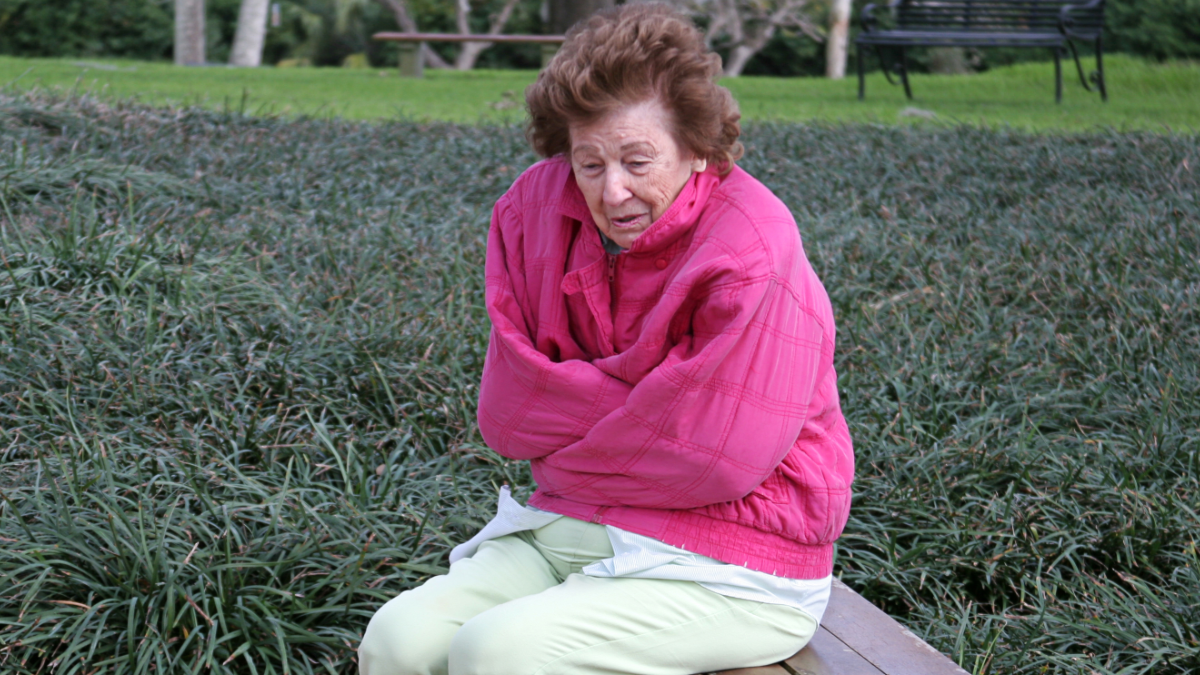 For many people, becoming a family caregiver means stepping into a role that involves far more than emotional support. It also means thinking constantly about safety.
As cognitive changes develop, everyday environments can begin to present unexpected risks. Things that once felt routine—driving, cooking, managing medications, or even walking around the neighborhood—may require closer attention.
For a family caregiver, understanding these safety concerns early can prevent accidents and help maintain independence for as long as possible.
Why safety awareness matters for a family caregiver
Dementia and cognitive decline affect memory, judgment, and awareness. These changes can make it harder for someone to recognize dangerous situations or respond quickly when something goes wrong.
A family caregiver often becomes the first line of protection. By identifying potential risks early, caregivers can make small adjustments that significantly reduce the chances of injury or confusion.
Safety planning is not about restricting independence—it’s about supporting it responsibly.
1. Medication management can become complicated
Managing medications correctly requires attention to timing, dosage, and instructions. As memory declines, it becomes easier to skip doses or accidentally take medication more than once.
A family caregiver may need to introduce tools such as pill organizers, written reminders, or medication alarms to prevent errors.
2. Cooking risks increase over time
Many individuals experiencing cognitive changes continue cooking independently at first. However, forgetting to turn off the stove or leaving appliances unattended can quickly become dangerous.
Some family caregivers address this by installing automatic shut-off devices or encouraging simpler meal routines.
3. Driving may eventually become unsafe
Driving requires quick decision-making, attention to surroundings, and strong memory. Cognitive changes can affect reaction time and navigation.
For a family caregiver, noticing warning signs—such as getting lost in familiar areas or frequent close calls—may indicate it is time to start discussing driving safety.
4. Wandering can occur unexpectedly
Some individuals with dementia experience wandering, especially when they feel confused or anxious. They may attempt to leave the home in search of something familiar.
A family caregiver can reduce risks by installing door alarms, motion sensors, or identification bracelets that help locate someone quickly if they become disoriented.
5. Falls become a growing concern
Changes in balance, mobility, or awareness can increase the risk of falls. Removing tripping hazards, improving lighting, and installing handrails can make a home safer.
These adjustments allow a family caregiver to protect mobility without limiting independence unnecessarily.
Why medical insight helps a family caregiver
Some safety concerns are connected to underlying health conditions. Medication side effects, sleep disturbances, vision changes, and neurological conditions can all influence safety risks.
Healthcare professionals can help a family caregiver evaluate these factors and recommend adjustments that support safer daily routines.
Platforms like Elumened provide access to medical consultations where families can discuss cognitive changes and care planning. If you want to learn more about available services or consultation options, you can visit https://www.elumened.com/.
What research says about dementia and safety
The Alzheimer's Association emphasizes that proactive safety planning significantly reduces risks for individuals living with dementia. Their educational resources provide guidance for families navigating home safety, driving concerns, and wandering prevention. More information is available at https://www.alz.org/.
Balancing safety and independence
One of the most delicate challenges a family caregiver faces is maintaining a balance between safety and dignity.
Restricting activities too early can create frustration, while waiting too long may increase risk. The goal is thoughtful adjustment—making environments safer while allowing the person to remain involved in daily life.
A thoughtful next step
If you are a family caregiver supporting someone experiencing memory changes, taking time to evaluate safety risks can help create a more stable and supportive environment.
Start by observing daily routines, identifying potential hazards, and making small adjustments where needed. Seeking professional guidance can also provide clarity about how cognitive changes may affect safety over time.
Sometimes the most important role of a family caregiver is quietly creating an environment where a loved one can continue living with dignity, security, and peace of mind.


